Patriotism is a precious tradition of the Vietnamese nation, forged through thousands of years of nation-building and national defense. From historical struggles against foreign invaders to the current cause of national construction and protection, the spirit of patriotism has always been a powerful source of strength that enables the Vietnamese people to overcome difficulties and challenges. In the context of international integration and the rapid development of science and technology, educating students on the tradition of patriotism has become increasingly significant in shaping political awareness, social responsibility, and dedication to the country.
Expressions of patriotism among students
Patriotism is not merely a sacred emotion toward one’s homeland; at its core, it is a sense of responsibility for the cause of national development and defense. For students—the nation’s young intellectual force—this spirit is first reflected in their continuous pursuit of knowledge, moral development, law-abiding behavior, and aspiration to contribute to society. Beyond personal responsibility, students’ patriotism is also demonstrated through their commitment to preserving national identity, respecting history, and promoting the traditional cultural values of the Vietnamese people.
Particularly in today’s rapidly expanding digital environment, patriotism is closely associated with political awareness and resilience. This includes the ability to critically evaluate information and the willingness to actively refute false and distorted viewpoints, thereby contributing to the protection of the nation’s independence, sovereignty, unity, and territorial integrity.
Current situation of patriotic education for students
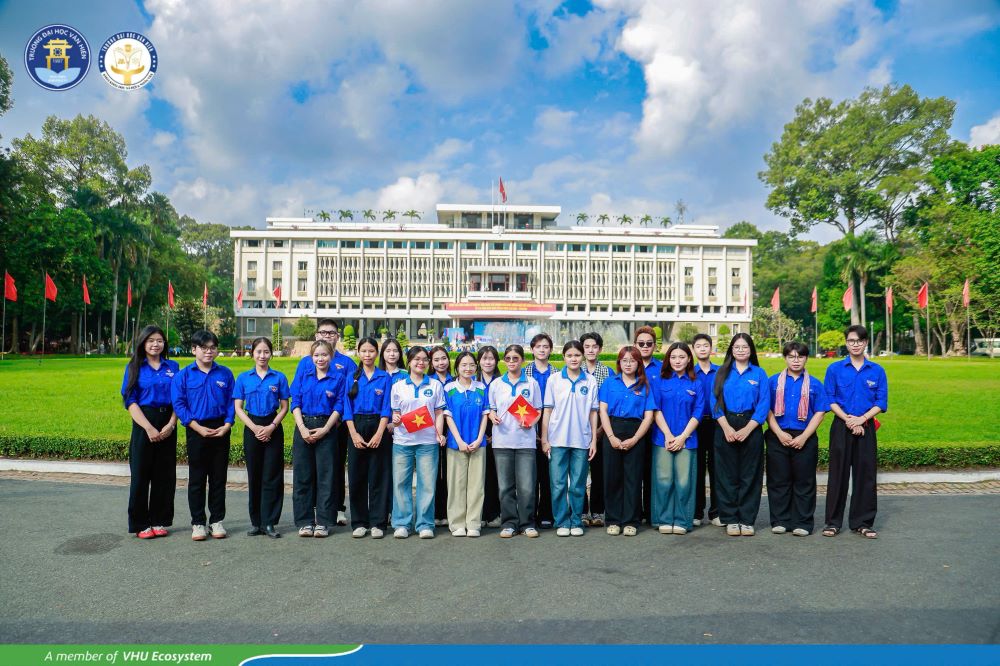
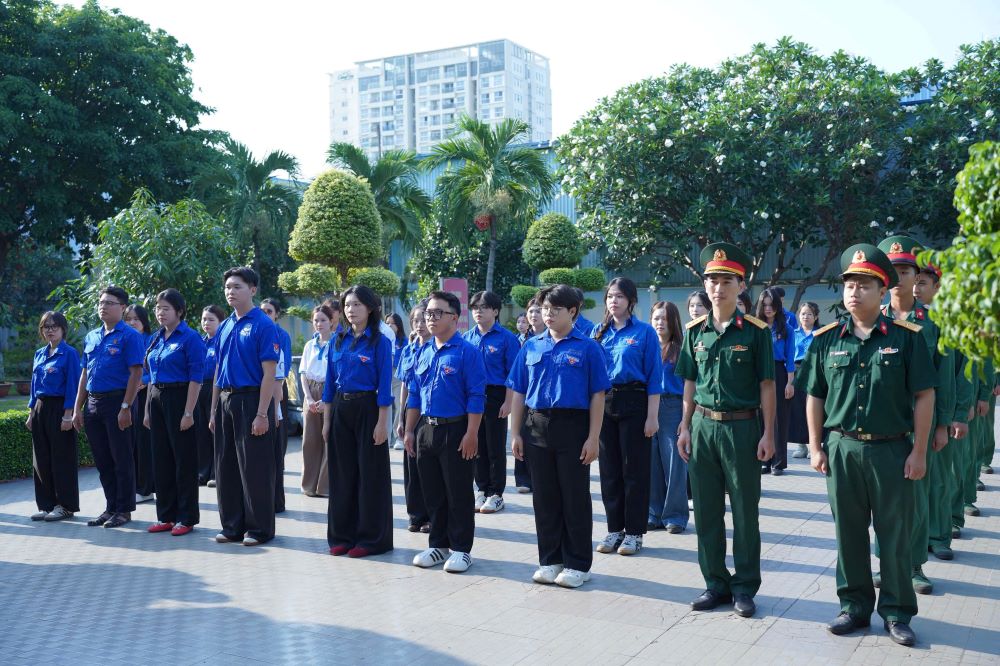
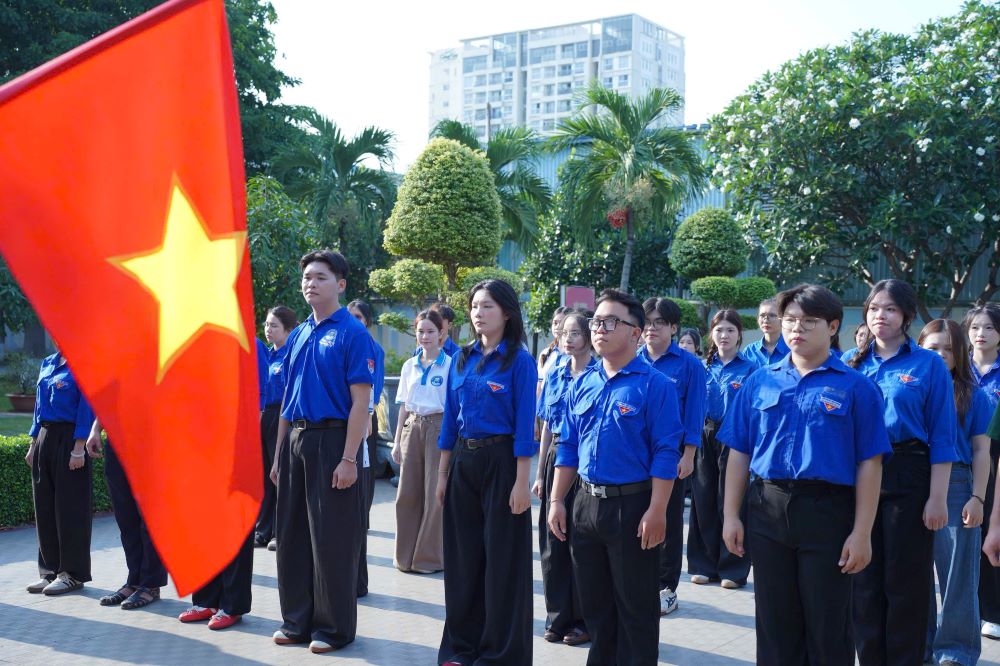
In practice, many educational institutions have effectively organized activities aimed at fostering patriotism, such as visits to historical sites, thematic discussions, volunteer campaigns, and heritage-based educational programs. As a result, a large number of students have enhanced their political awareness and strengthened their sense of social responsibility.
Many young people actively participate in community activities, including supporting disadvantaged communities, protecting the environment, donating blood, assisting victims of natural disasters and epidemics, and spreading positive values throughout society. These activities not only help students develop essential life skills but also enable them to better understand their responsibilities toward the community and the nation.
However, despite these positive outcomes, patriotic education for students still faces certain limitations. A portion of students remain indifferent to political and social issues, lack a sense of civic responsibility, or pursue overly pragmatic lifestyles. The rapid growth of social media, together with the spread of misinformation and historical distortions, has also had a considerable impact on young people's perceptions. Without sufficient critical thinking skills and the ability to evaluate information, students may be influenced by misguided viewpoints, leading to a diminished sense of responsibility toward the country.
Solutions to improve the effectiveness of patriotic education for students
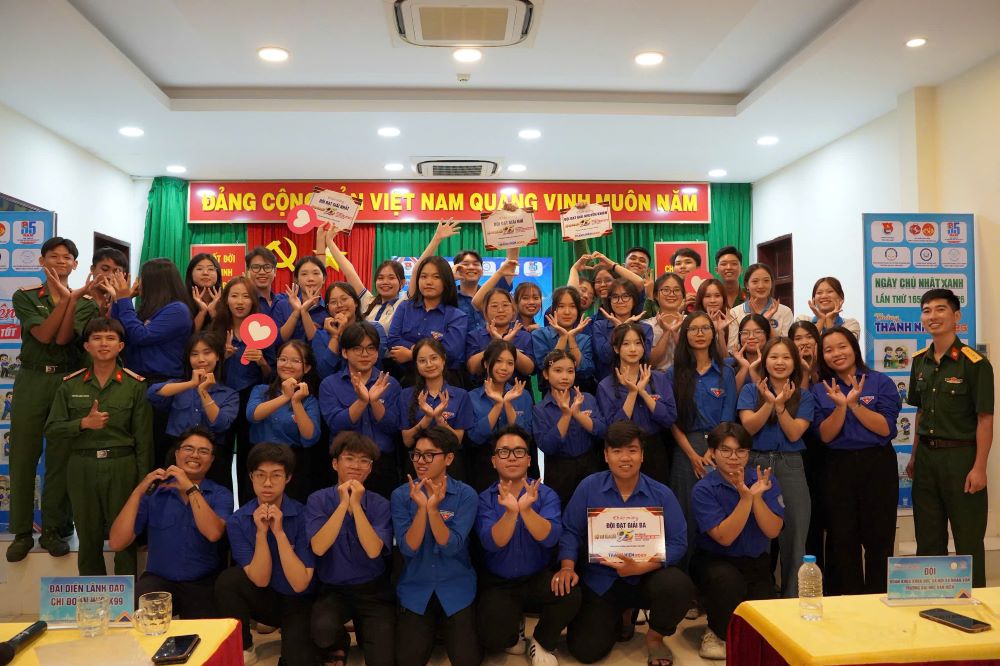
To enhance the effectiveness of patriotic education, a comprehensive set of solutions should be implemented. First, educational content and teaching methods should be innovated by linking theory with practice, helping students understand the significance of patriotism in the modern era. Schools should strengthen experiential learning activities such as museum visits, historical site tours, forums, seminars, and competitions on national history and traditions.
At the same time, technology and social media should be utilized more effectively in educational and communication efforts to spread positive values to students in a more accessible and engaging manner.
In addition to the role of educational institutions, families and youth organizations should work closely together in cultivating patriotism among young people. Families serve as the first environment where personality, values, and love for the homeland are formed, while youth organizations play an important role in organizing movements and creating opportunities for students to develop themselves and contribute to society.
More importantly, each student should actively pursue self-education, self-improvement, and a deeper understanding of political issues and civic responsibilities in order to contribute to national development.
Conclusion
Educating students on the tradition of patriotism is an important task in the current period. When patriotism is transformed into proper awareness and practical actions in learning, work, and daily life, students will become a core force in the cause of national construction and defense, contributing to the country’s sustainable development in the future. Therefore, fostering patriotism among students should be carried out consistently, continuously, and in a manner that meets the requirements of the new era.
Author: TungDCT