“Some Issues in Vietnamese Folk Literature, Volume 1” – a new publication by Dr. Đặng Quốc Minh Dương, lecturer at the Faculty of Social Sciences and Humanities, Van Hien University, marks an important stage in the author’s long-standing engagement with the study and teaching of Vietnamese folk literature. The volume brings together more than 24 articles previously published in academic journals, conference proceedings, and scholarly publications, now systematically organized to connect different stages of the author’s research and suggest new approaches to folk literature.
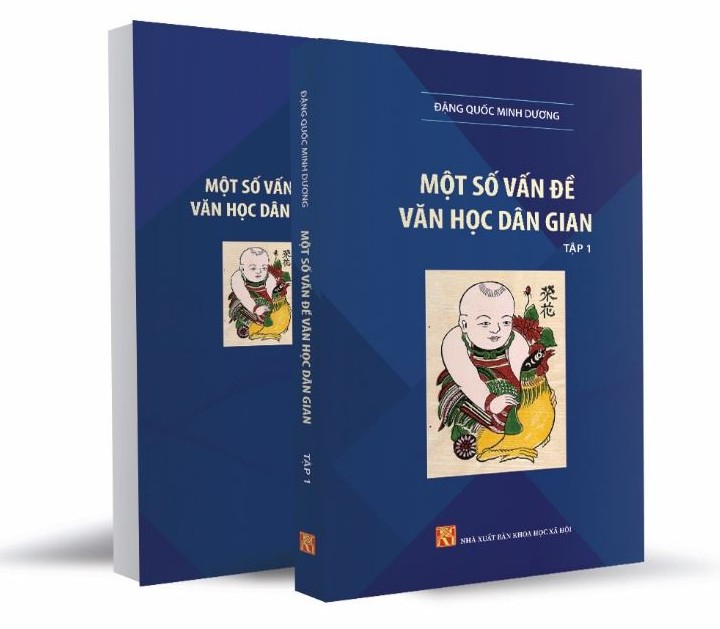
The book is structured around three main thematic strands. The first focuses on the trickster animal tale, a line of research associated with the author’s doctoral dissertation, while also extending comparative analysis to various traditions of world folklore, particularly African folktales. The second focuses on Vietnamese folk jokes, examining laughter as a form of cultural reflection that exposes social deviations while affirming human values.
The third section expands the discussion to various issues in Vietnamese folk literature and culture, from figures such as orphans and soldiers’ wives to symbolic images including beards, breasts, alcohol, illness, and physiognomy. A common thread running through these studies is the approach to folk literature as a system of cultural codes, in which each motif and image embodies deeper layers of philosophical and humanistic meaning.
One notable feature of Some Issues in Vietnamese Folk Literature, Volume 1 is the combination of rigorous use of sources, contemporary research approaches, and a strong humanistic orientation. Although the essays were written at different points in the author’s scholarly journey, they form a coherent academic body of work that seeks to reinterpret the cultural values of Vietnamese folklore in the light of contemporary scholarship.
This is only Volume 1. According to the preface, further issues in Vietnamese folk literature will be explored in Volume 2, with additional materials, expanded perspectives, and updated research. With its interdisciplinary orientation connecting literary studies and cultural studies, the volume is expected to serve as a useful resource for researchers, lecturers, students, and readers interested in Vietnamese folk literature.
Written by DuongDQM