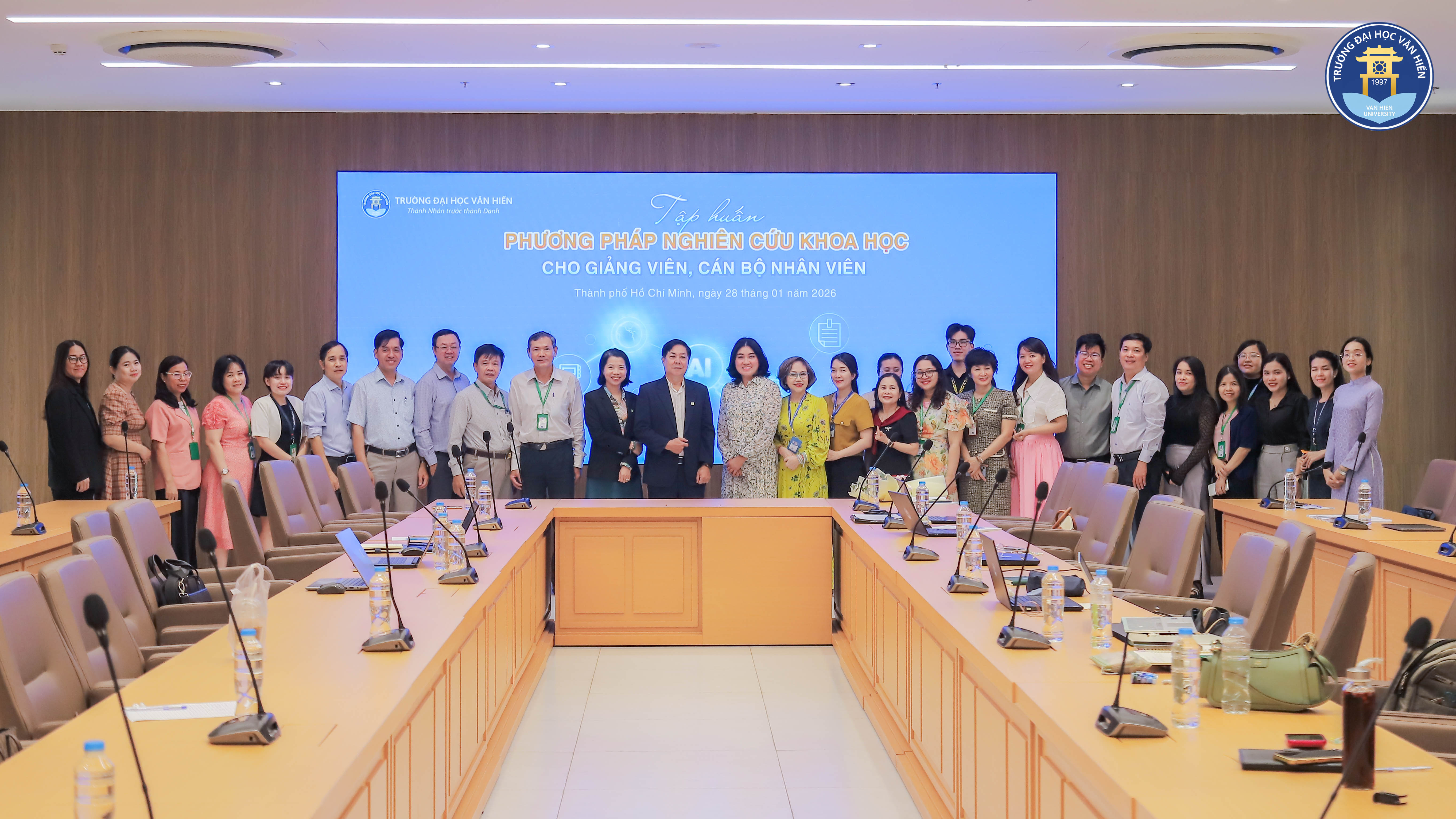
On the morning of January 28, the Faculty of Social Sciences and Humanities of Van Hien University successfully organized a training workshop on scientific research methodology under the theme “Enhancing Research Capacity for University Lecturers in the AI Era.” The program was guided by Dr. Dinh Ngoc Thuy, Research Coordinator for Training and Learning at the Research and Innovation Division, Western Sydney University (Australia), a highly experienced expert in academic research training and management.
Representatives of the University included:
• Mr. Tran Huy Hoang – President of Van Hien University
• Ms. Huynh Thi Mai Trinh – Head of the Faculty of Social Sciences and Humanities
• Ms. Le Thi Kieu Van – Vice Head of the Faculty of Social Sciences and Humanities
Guest representative:
• Dr. Dinh Ngoc Thuy – Research Coordinator for Training and Learning, Research and Innovation Division, Western Sydney University, Australia
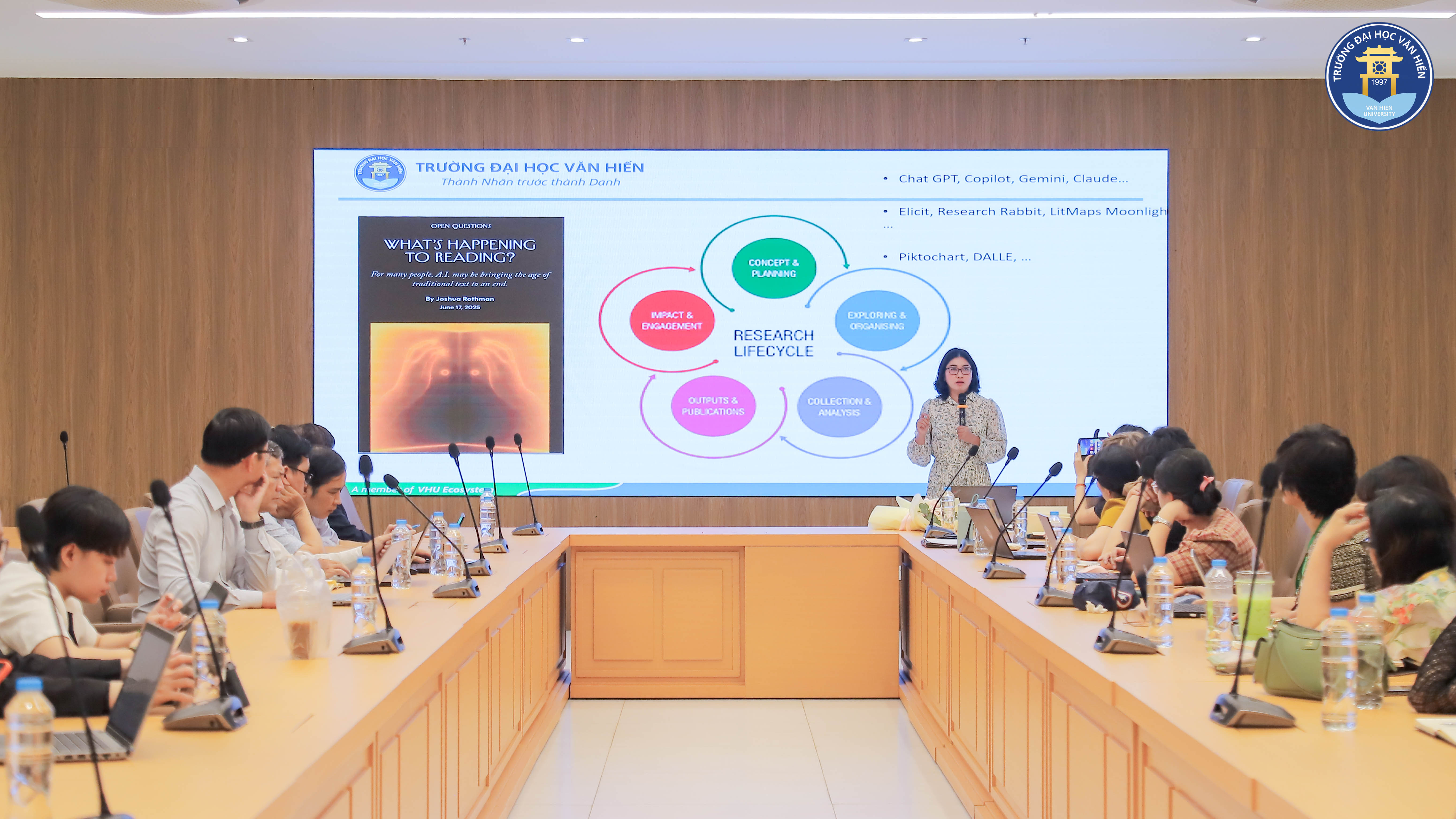
During the program, Dr. Dinh Ngoc Thuy provided an overview of the current landscape of scientific research and analyzed the profound impacts of artificial intelligence (AI) on research activities in higher education. The opportunities and challenges of integrating AI into scientific research were clearly presented, helping participants gain a comprehensive understanding of both its benefits and potential risks when AI is used without proper control or in violation of academic ethical standards.
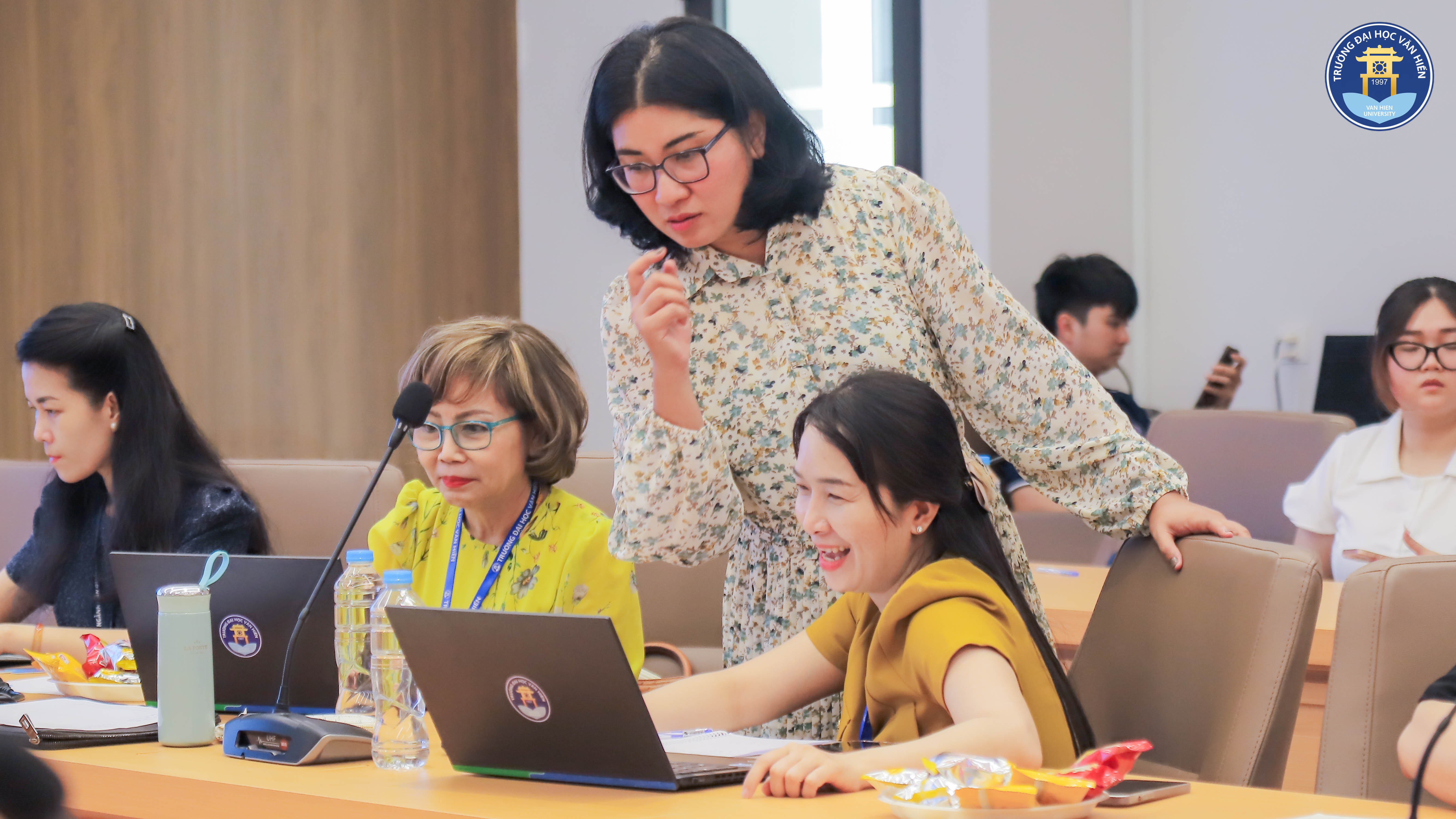
The workshop attracted the participation of nearly 30 lecturers and administrative staff. It was organized to enhance research methodologies and develop scientific research skills, thereby improving the quality of research projects and supporting the University’s accreditation and evaluation processes in the coming period.
The training content focused on systematizing the fundamental components of a scientific research proposal and introducing qualitative, quantitative, and mixed research methods commonly applied in the fields of social sciences and humanities. In particular, the program emphasized the use of AI as a supportive tool in research stages such as literature review, data processing, and academic writing, accompanied by requirements for transparent citation, plagiarism prevention, and the avoidance of improper “AI-writing.”
The workshop concluded in a serious and positive atmosphere, contributing to the enhancement of research capacity among lecturers and staff, and meeting the demands of higher education innovation in the AI era.
Photos were taken from the workshop:
Written by BangLN